
So you’re standing in the kitchen at 5:47 p.m., staring into the fridge like it owes you money, and suddenly you remember you promised “homemade bread” with dinner. Yeast? Ha. Rising time? Not today, buddy. Same energy here. These easy dinner rolls without yeast are about to save your evening (and your reputation as the person who “always has it together”).
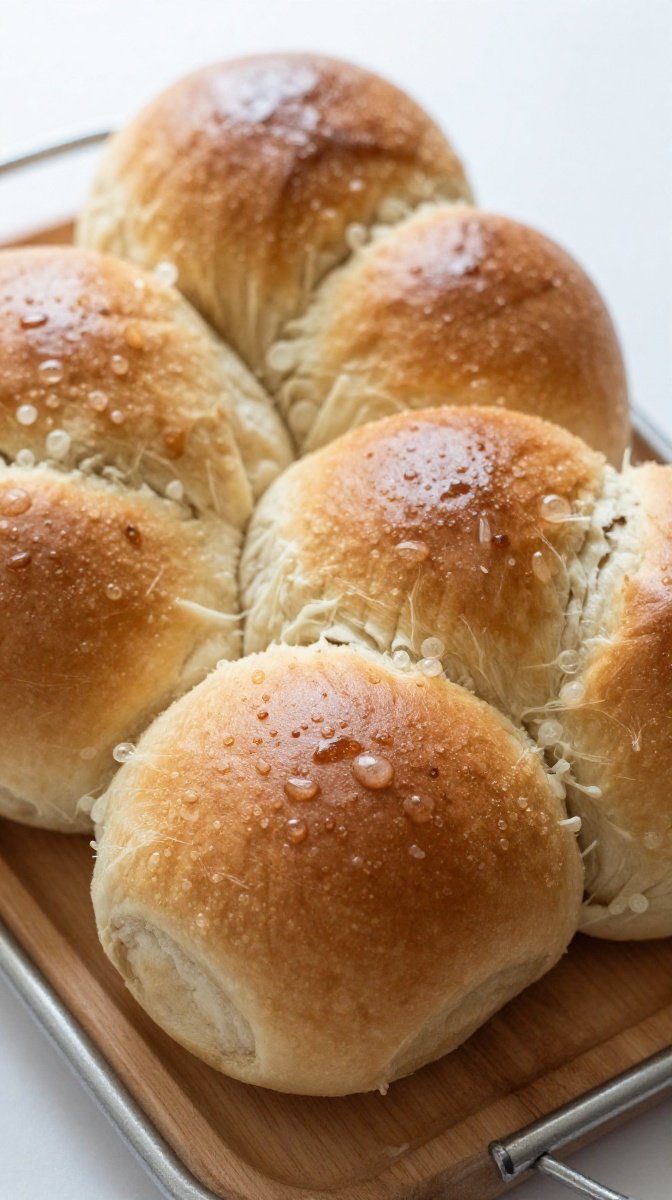
They’re soft, a little golden on top, and ready before anyone can ask “are we eating yet?” for the third time. No fancy equipment. No waiting around like you’re watching paint dry. Just pure, buttery comfort that makes everyone at the table act like you spent hours on them. Spoiler: you didn’t.
Why This Recipe is Awesome?
Let’s be real. Most “easy” roll recipes still make you feel like you need a culinary degree and a patience level I simply do not possess on a Tuesday. These? They’re the opposite.
They’re idiot-proof. I once made them while half-watching a reality show and still nailed it. No yeast means zero drama about water temperature or “is it proofing correctly?” Because there’s nothing to proof. Baking powder does the heavy lifting while you do literally anything else.
They taste like the love child of a biscuit and a classic dinner roll—soft inside, lightly crisp on the outside, and just begging for butter (or gravy, or that random jar of jam you forgot you had). Plus they come together in about 30 minutes start to finish. That’s less time than it takes most of us to decide what to watch after dinner.
And the best part? They make your kitchen smell like you actually have your life together. Even if the laundry pile in the corner is judging you.
Ingredients You’ll Need
Nothing weird. Nothing you have to hunt down at three different stores. Just the usual suspects hanging out in your pantry and fridge:
- 3 cups all-purpose flour (plus a little extra for dusting if the dough gets clingy)
- 4 teaspoons baking powder (the real MVP here—don’t skimp)
- 1 teaspoon salt
- 1 tablespoon granulated sugar (just enough to keep things friendly, not dessert-level)
- ¼ cup unsalted butter, melted (plus extra for brushing at the end because we’re not monsters)
- 1¼ cups milk (whole milk is ideal for richness, but whatever you’ve got works)
That’s it. Six ingredients and zero yeast. If your pantry is this empty, we need to talk about grocery priorities.
Step-by-Step Instructions
- Preheat your oven to 375°F (190°C). Line a baking sheet with parchment paper or just grease it lightly. No one has time for stuck rolls.
- In a large bowl, whisk together the flour, baking powder, salt, and sugar. Get those dry ingredients nice and friendly.
- Pour in the melted butter and milk. Stir with a wooden spoon or spatula until a soft dough forms. It should come together without being a sticky nightmare. If it’s too wet, sprinkle in a tablespoon of flour at a time. Don’t overmix—we’re making rolls, not developing gluten for a workout.
- Turn the dough out onto a lightly floured surface. Gently shape it into a rough log or rectangle. Divide it into 12 equal pieces. Roll each one into a ball between your palms. They don’t have to be perfect spheres. Rustic is charming.
- Place the dough balls on your prepared baking sheet, leaving a little space between them so they can expand and get those pretty golden tops.
- Bake for 20–25 minutes, until the tops are golden brown and they sound hollow when you tap the bottom (or just look done—trust your eyes).
- As soon as they come out, brush the tops with a little extra melted butter. This is non-negotiable. The butter soaks in and makes them glossy and irresistible.
Let them cool for about 5 minutes if you can wait that long. Most people can’t.
Common Mistakes to Avoid
Thinking the dough needs to look like perfect yeast dough. Nope. This dough is softer and a bit more biscuit-like. If you keep adding flour until it’s stiff, you’ll end up with hockey pucks. Stop when it just holds together.
Skipping the preheat. Rookie move. These rolls rely on the oven being hot right away so the baking powder can do its magic. Cold oven = sad, flat rolls.
Overworking the dough. This isn’t pizza dough that needs a good knead. Mix until it comes together, shape gently, and walk away. Tough rolls are the enemy of joy.
Forgetting the post-bake butter brush. I mean, you can skip it, but why would you hurt yourself like that?
Using expired baking powder. Check the date. Old baking powder is basically just expensive dust at that point.
Alternatives & Substitutions
Milk: Out of regular milk? Buttermilk makes them even more tender and tangy. Plant-based milk works in a pinch (oat or almond are solid). Just know the flavor will shift a little.
Butter: You can swap in oil (vegetable or canola) if that’s what you’ve got. The rolls will still rise, but they won’t have that same rich buttery taste. IMO, butter is worth it.
Flour: All-purpose is king here. Bread flour makes them a bit chewier. Whole wheat will work if you swap up to half, but expect denser results. Self-rising flour? Skip the baking powder and salt, but measure carefully.
Want to jazz them up? Sprinkle everything bagel seasoning, sesame seeds, or flaky salt on top before baking. Or mix a little garlic powder and dried herbs into the dough for savory vibes. Feeling fancy? Brush with garlic butter after they come out. You’re welcome.
Dairy-free? Use plant milk and a neutral oil or vegan butter. They still turn out surprisingly good.
FAQs
Can I make these ahead of time?
You can mix the dough and shape the rolls, then cover and refrigerate for a few hours. Bake straight from the fridge—just add a couple extra minutes. Fully baked rolls keep well for a day or two at room temp in an airtight container. Reheat in a 300°F oven for 5–7 minutes and they’ll taste fresh again.
Why didn’t my rolls rise much?
Two usual suspects: old baking powder or overmixing. Baking powder loses its power over time, and too much handling develops gluten that fights the rise. Next time, check the date on that can and mix like you’re being gentle with a small child.
Can I freeze them?
Absolutely. Bake them first, let them cool completely, then freeze in a freezer bag. Reheat from frozen in a 325°F oven until warmed through. They’ll still be soft and lovely.
Do these taste like regular yeast rolls?
They’re close cousins, not twins. Think soft biscuit meets dinner roll. Lighter and quicker than yeast versions, with a tender crumb that still holds up to butter and soup. Most people can’t tell the difference once they’re drowning them in gravy.
Can I use margarine instead of butter?
Technically yes… but why hurt your soul like that? Real butter gives better flavor and texture. If you must, go for it, but know I’m silently judging (lovingly).
How do I know when they’re done?
Golden brown tops and a hollow sound when you tap the bottom. Or just pull one open carefully—if the inside looks cooked and not doughy, you’re good. Ovens vary, so start checking at 20 minutes.
Can I make them bigger or smaller?
Go for it. Bigger rolls need a few extra minutes in the oven. Mini ones will bake faster. Just keep the sizes consistent so they finish together.
Final Thoughts
There you have it—warm, soft, no-yeast dinner rolls that actually deliver on the “easy” promise. No rising, no stress, no “I should have started this hours ago” regret.
These are the rolls you make when you want to look like you tried without actually trying that hard. Perfect for weeknight chili, Sunday roast, or just because the family deserves something better than store-bought.
Now go impress someone—or just yourself—with your new culinary skills. You’ve earned that second (or third) roll. And if anyone asks how long they took, just smile mysteriously and say “not long.” Your secret is safe with me.